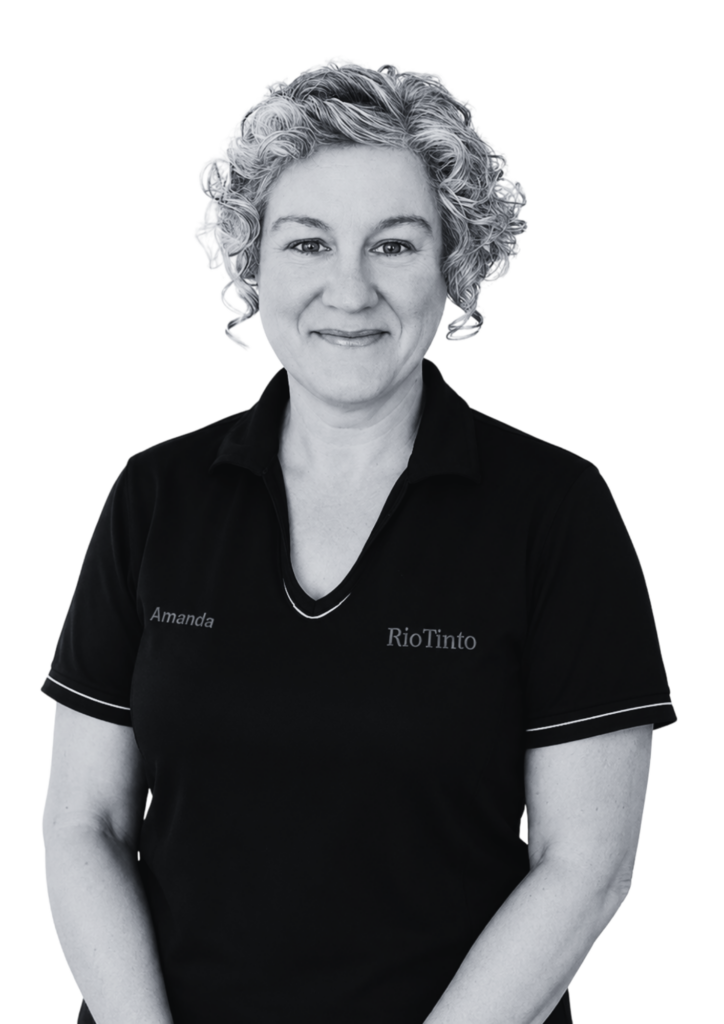
Amanda Allen
Ask me about
- The importance of communication and teamwork in a technical career
- The advice I would give if you don't know what you want to do next
- How AI is changing the way I solve problems and make decisions
- Coding, mathematics and science used in my role
About me
When I left school, I planned to become a pharmacist, particularly working in a laboratory environment. However, I did not achieve the TEE score required to enter Pharmacy, so I enrolled in Chemistry with the intention of transferring after my first year. I quickly discovered how much I enjoyed the subject and decided to continue, graduating with a Bachelor of Chemistry.
My degree led me to the Pilbara, where I worked in laboratory roles for major mining companies. While I enjoyed the scientific work, I became increasingly interested in the data generated by laboratory equipment and the challenge of understanding complex mining supply chains.
I later joined Rio Tinto’s Operations Centre as an analyst and scheduler, where I developed a deeper understanding of how the supply chain operates. From there, I moved into Asset Management, focusing on asset performance and metrics while expanding my skills in data analysis and machine learning.
Although these tools provided valuable insights, they could not fully measure how individual assets and decisions affected the entire supply chain. Joining the Simulation Modelling team brought all my experience together. I can now build models that evaluate changes to scheduling, maintenance strategies, and operational processes, helping the business understand their broader impact and make better-informed decisions.
About my role
- Analytical
- Creative
- Innovative
- Intuitive
- Witty
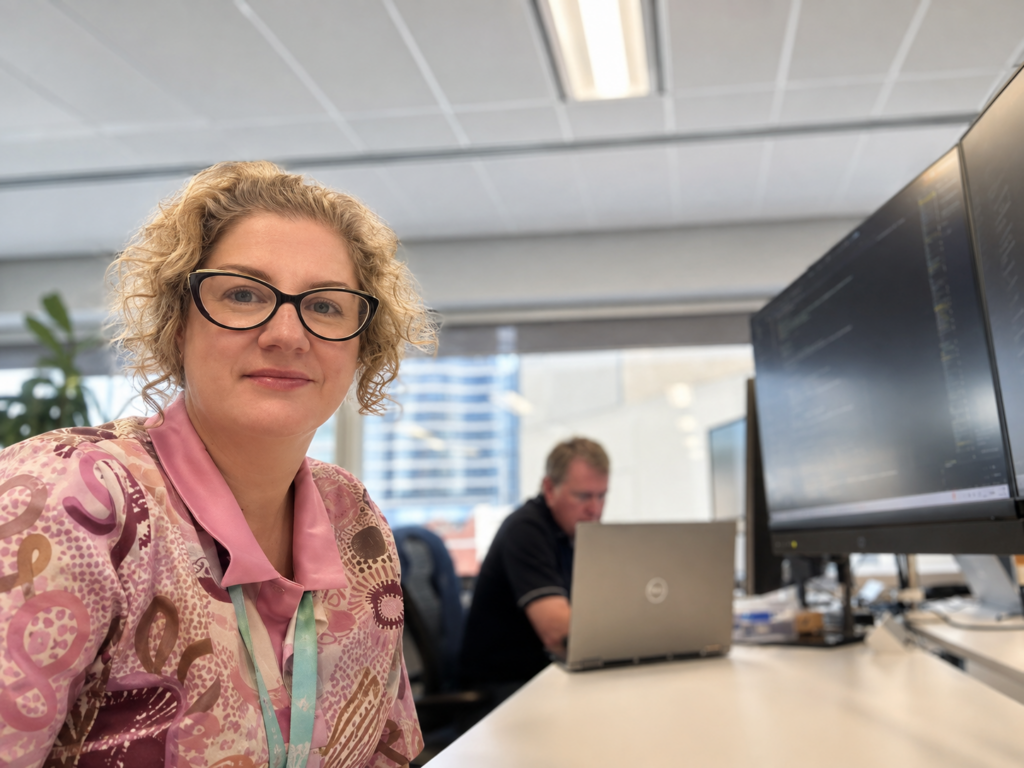
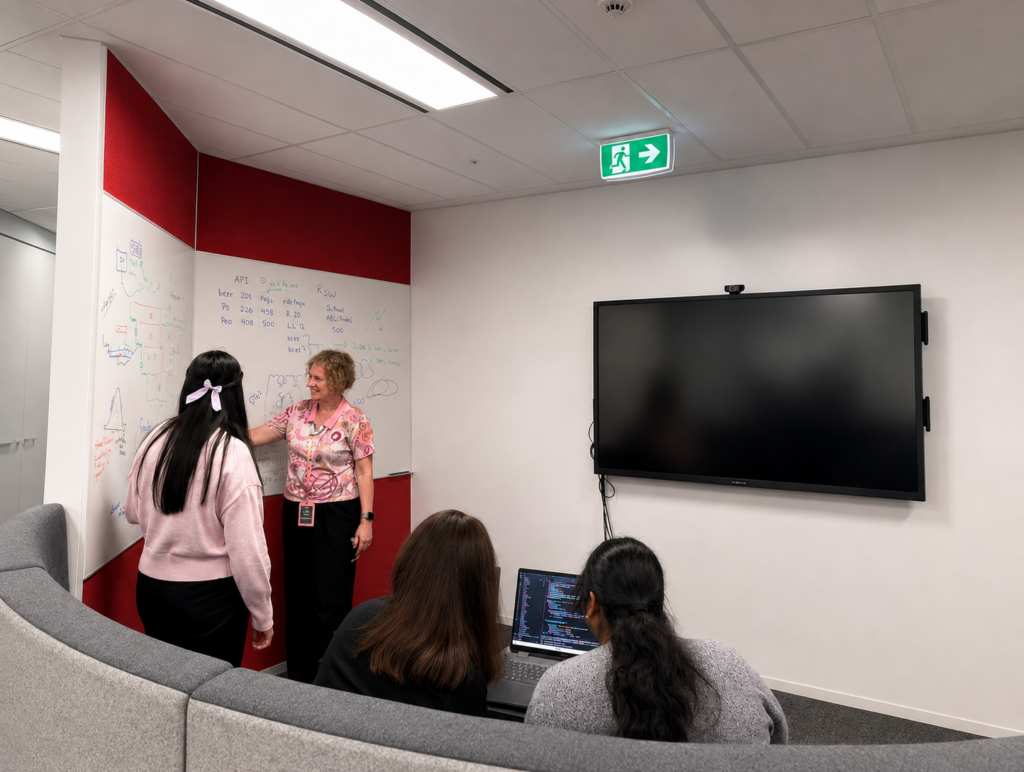
A Simulation Modeller is responsible for designing, developing, and validating digital models that represent real-world systems, processes, or environments. Using mathematical techniques, data analysis, and specialist simulation software, the role evaluates how systems may perform under different conditions. Key responsibilities include gathering and interpreting data, defining model assumptions, building and testing simulations, and comparing results against real-world evidence. The Simulation Modeller runs scenario analyses to forecast outcomes, identify risks, assess capacity, and evaluate potential improvements before changes are implemented. The role also involves translating complex findings into clear reports, visualisations, and recommendations for stakeholders and decision-makers. Simulation Modellers may work across areas such as mining, transport, healthcare, manufacturing, finance, defence, energy, or environmental planning. Their work supports informed decision-making while reducing cost, disruption, uncertainty, and operational risk.
Education
- Bachelor of Science - Chemistry
- Graduate Diploma of Data Analytics
Subjects
- Chemistry
- Digital Design/Information Technology
- English
- General Mathematics (Maths A)
- History
- Mathematical Methods (Maths B)
- Physics
- Science
Awards
- INCITE Chief Judge Award
Hobbies
- Photography
- Reading
- Seeing family and friends
- Travel
Pets
- 1 Dog
- 1 Cat

15 year old me!!
My career journey
-
Pharmacy plans redirected toward chemistry
-
Graduated with a Chemistry degree
-
Began mining work in Pilbara laboratories
-
Progressed into scheduling and asset analytics
-
Now solve problems through simulation modelling
My typical day

My employer